Sturm und Drang
noun /ˌʃtʊərm ʊnt ˈdraŋ/ — Storm and stress; emotional turmoil and intensity
Definition
A German literary and artistic movement of the 1760s–1780s characterised by extreme emotional intensity, irrationality, and rebellion against social norms. In broader usage: a period of violent emotional upheaval or turbulence.
Beyond the definition
Sturm und Drang names the emotional weather of adolescence, crisis, and creative intensity — the productive chaos that refuses orderliness. It's the word for the inner hurricane.
Origin & history
German: 'storm and stress'. Named after Friedrich Maximilian Klinger's 1776 play. A precursor to Romanticism, featuring characters torn apart by passion and circumstance. Goethe's early Werther was its emblematic work.
Example sentences
Illustrative sentences for learning, not verified community posts or sourced quotations.
The memoir captures the Sturm und Drang of his twenties without sentimentality.
She'd moved past the Sturm und Drang and into something quieter, which surprised everyone who'd known her before.
Some creative work requires Sturm und Drang. The question is how long you can sustain it.
How to use it
This entry uses a noun. Follow the examples for articles and singular or plural forms; not every noun takes “a” or “an.”
Choose “Sturm und Drang” when the meaning fits your context: A German literary and artistic movement of the 1760s–1780s characterised by extreme emotional intensity, irrationality, and rebellion against social norms. In broader usage: a period of violent emotional upheaval or turbulence.
Synonyms
turmoil, storm and stress, emotional intensity, upheaval
Antonyms
serenity, calm, equanimity
Related words
Sturm und Drang vs angst
Sturm und Drang refers to high-intensity, dramatic emotional turmoil. Angst focuses on a persistent, existential feeling of anxiety or dread about the world.
Word in the Wild
See how this word appears in life, language and stories.
Illustrative sentences and imagined stories for learning — not verified sightings, interviews, or sourced quotations.
Fictional scene
Exultant Adult on Vast Hilltop
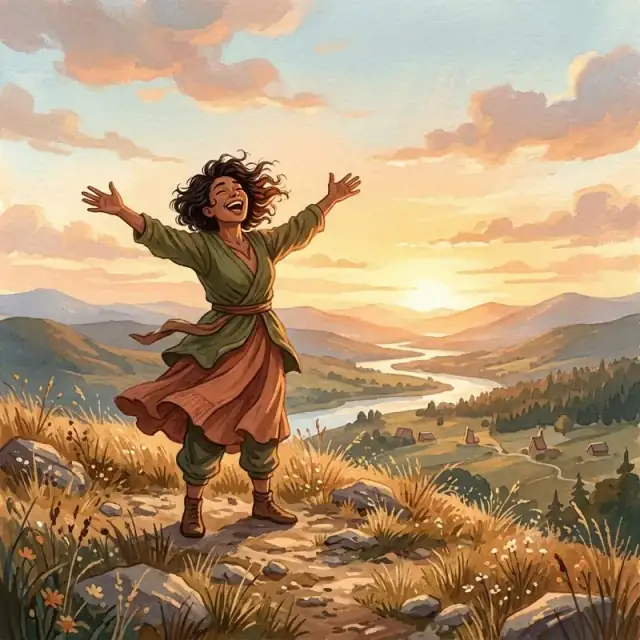
An adult stands on a hilltop with arms raised, wind whipping their hair against a vast, open landscape.
The raw, uninhibited joy and intensity capture the essence of a turbulent, emotional release. Sturm und Drang represents this period of extreme emotional intensity, where irrationality and rebellion against social norms collide in a powerful, storm-like experience.
Image credit: Wordspun · AI-generated conceptual illustration
Questions about this word
What does "Sturm und Drang" mean?
Sturm und Drang is noun meaning: Storm and stress; emotional turmoil and intensity. A German literary and artistic movement of the 1760s–1780s characterised by extreme emotional intensity, irrationality, and rebellion against social norms. In broader usage: a period of violent emotional upheaval or turbulence.
Where does the word "Sturm und Drang" come from?
German: 'storm and stress'. Named after Friedrich Maximilian Klinger's 1776 play. A precursor to Romanticism, featuring characters torn apart by passion and circumstance. Goethe's early Werther was its emblematic work.