Déjà Vu
idiom / noun /ˌdeɪ.ʒɑː ˈvuː/ — The feeling of having already experienced the present moment
Definition
The uncanny sensation that a new experience has been lived before — that the present moment is simultaneously first and familiar. Déjà vu is the glitch in the film of consciousness.
Beyond the definition
Déjà vu is one of the most universally strange experiences of being alive — the feeling that is impossible to verify but impossible to dismiss. It sits at the intersection of memory, consciousness, and the peculiar architecture of time.
Origin & history
French: 'already seen'. First recorded as a psychological phenomenon by philosopher Émile Boirac in 1876. Estimated to occur in 60–80% of people at some point in their lives.
Example sentences
Illustrative sentences for learning, not verified community posts or sourced quotations.
She paused mid-sentence with the unshakeable feeling of déjà vu — she had said these exact words before.
Déjà vu lasts only seconds but leaves a disorientation that lingers.
The most unsettling déjà vu is when you can't decide if it's memory or premonition.
How to use it
Follow this entry’s examples for grammatical form and sentence placement.
Choose “Déjà Vu” when the meaning fits your context: The uncanny sensation that a new experience has been lived before — that the present moment is simultaneously first and familiar. Déjà vu is the glitch in the film of consciousness.
Synonyms
false familiarity, memory echo, already-seen feeling
Antonyms
jamais vu, novelty, pure first experience
Related words
Déjà Vu vs memory
Memory is recalling the past. 'Déjà vu' is the specific, eerie sensation that you have experienced the current moment before, despite knowing you haven't.
Word in the Wild
See how this word appears in life, language and stories.
Illustrative sentences and imagined stories for learning — not verified sightings, interviews, or sourced quotations.
Fictional scene
Grand Station Platform at Dusk
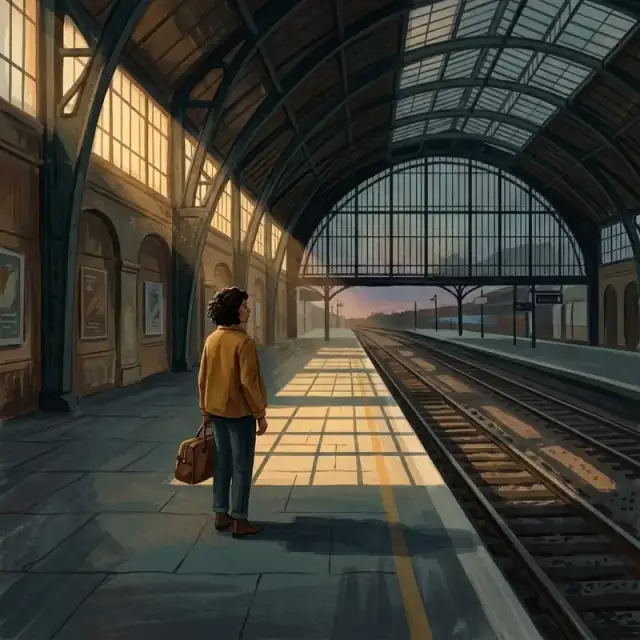
An adult stands on a deserted railway platform at dusk, with sunlight creating a boundary between light and darkness.
The vast, empty space feels dreamlike and familiar, mirroring the uncanny sensation of déjà vu. This liminal environment captures the glitch-like feeling where the present moment seems to overlap with a past, ghost-like experience of the same place.
Image credit: Wordspun · AI-generated conceptual illustration
Questions about this word
What does "Déjà Vu" mean?
Déjà Vu is idiom / noun meaning: The feeling of having already experienced the present moment. The uncanny sensation that a new experience has been lived before — that the present moment is simultaneously first and familiar. Déjà vu is the glitch in the film of consciousness.
Where does the word "Déjà Vu" come from?
French: 'already seen'. First recorded as a psychological phenomenon by philosopher Émile Boirac in 1876. Estimated to occur in 60–80% of people at some point in their lives.