Overture
noun /ˈəʊ.və.tʃʊər/ — An orchestral introduction to an opera; an opening approach to someone.
Definition
An orchestral piece at the beginning of an opera, play, or musical, introducing the themes of the work. Also: an approach made to someone with a proposal or offer — an opening move in a relationship or negotiation.
Beyond the definition
An overture is a promise — this is what's coming, this is what matters, this is what you're here for. The greatest overtures contain the entire emotional world of what follows, compressed into minutes.
Origin & history
French: 'ouverture' (opening). From 'ouvrir' (to open). The term developed in 17th-century opera as composers began writing formal introductions.
Example sentences
Illustrative sentences for learning, not verified community posts or sourced quotations.
Beethoven's Leonore Overture No. 3 is so powerful that conductors sometimes move it to later in the opera — the audience too stirred to listen quietly to what comes next.
He made careful overtures — small gestures, attentive questions — before suggesting the collaboration.
The kindness was an overture to something she hadn't yet decided to accept.
How to use it
This entry uses a noun. Follow the examples for articles and singular or plural forms; not every noun takes “a” or “an.”
Choose “Overture” when the meaning fits your context: An orchestral piece at the beginning of an opera, play, or musical, introducing the themes of the work. Also: an approach made to someone with a proposal or offer — an opening move in a relationship or negotiation.
Synonyms
prelude, introduction, approach, opening
Antonyms
coda, finale, closing
Related words
Overture vs introduction
Overture refers specifically to music or a formal, staged beginning. Introduction is a general term for the start of anything, musical or non-musical.
Word in the Wild
See how this word appears in life, language and stories.
Illustrative sentences and imagined stories for learning — not verified sightings, interviews, or sourced quotations.
Fictional scene
Orator Before Large Audience
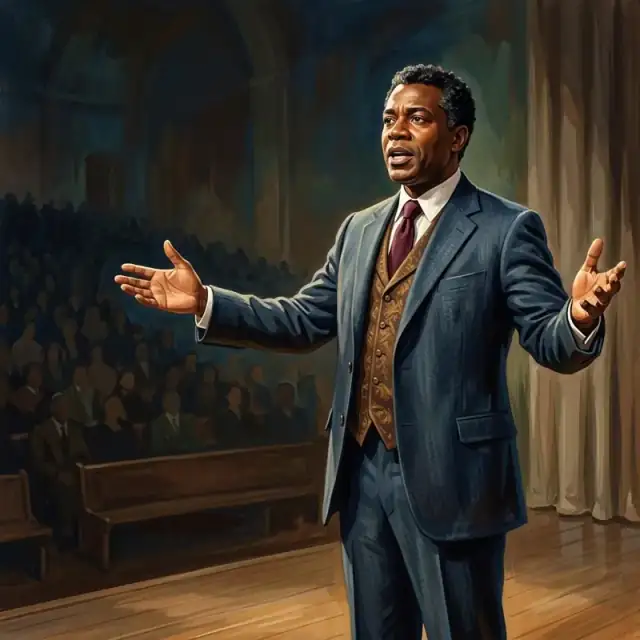
An orator on a wooden stage gestures with outstretched arms before an unseen, vast audience.
The orator's commanding gesture serves as an opening move, analogous to an overture. It establishes the themes and tone of the communication before the main body of the speech begins, inviting the audience into the unfolding work.
Image credit: Wordspun · AI-generated conceptual illustration
Questions about this word
What does "Overture" mean?
Overture is noun meaning: An orchestral introduction to an opera; an opening approach to someone.. An orchestral piece at the beginning of an opera, play, or musical, introducing the themes of the work. Also: an approach made to someone with a proposal or offer — an opening move in a relationship or negotiation.
Where does the word "Overture" come from?
French: 'ouverture' (opening). From 'ouvrir' (to open). The term developed in 17th-century opera as composers began writing formal introductions.