Timbre
noun /ˈtæmbə/ — The distinctive tone colour of a voice or instrument.
Definition
The quality of a musical sound or voice that distinguishes it from other sounds of the same pitch and volume — the character that makes a violin sound different from a flute on the same note.
Beyond the definition
Timbre is why you can recognise someone's voice on a phone before they say who they are. It is identity in sound — the irreducible signature of a particular voice or instrument. Some timbres are warm, some bright, some dark; some timbres are impossible to leave a room without noticing.
Origin & history
From French timbre (bell, drum), from Old French timbre (bell without a clapper), from Greek tymbanon (drum). The word moved from describing bells to describing the general quality of sound colour.
Example sentences
Illustrative sentences for learning, not verified community posts or sourced quotations.
Her timbre was unmistakable — rich, low, with a slight roughness that added warmth.
The timbre of an old Stradivarius is what centuries of use and aging create.
He chose musicians for their timbre as much as their technique — the sound of a voice matters before a note is played.
How to use it
This entry uses a noun. Follow the examples for articles and singular or plural forms; not every noun takes “a” or “an.”
Choose “Timbre” when the meaning fits your context: The quality of a musical sound or voice that distinguishes it from other sounds of the same pitch and volume — the character that makes a violin sound different from a flute on the same note.
Synonyms
tone colour, sound quality, voice character
Related words
Word in the Wild
See how this word appears in life, language and stories.
Illustrative sentences and imagined stories for learning — not verified sightings, interviews, or sourced quotations.
Fictional scene
Conductor Commanding Full Intensity
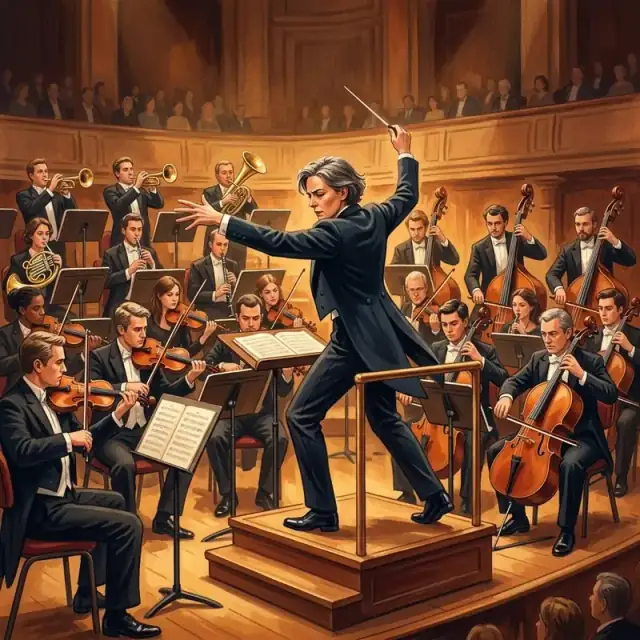
A conductor stands in the middle of an orchestra with arms outstretched, commanding the absolute peak of the sound.
The conductor’s control over the orchestra represents the management of timbre. The intensity and energy of the moment capture the character that distinguishes different sounds—like the violin or flute—when they reach their absolute, peak expressive quality in a performance.
Image credit: Wordspun · AI-generated conceptual illustration
Questions about this word
What does "Timbre" mean?
Timbre is noun meaning: The distinctive tone colour of a voice or instrument.. The quality of a musical sound or voice that distinguishes it from other sounds of the same pitch and volume — the character that makes a violin sound different from a flute on the same note.
Where does the word "Timbre" come from?
From French timbre (bell, drum), from Old French timbre (bell without a clapper), from Greek tymbanon (drum). The word moved from describing bells to describing the general quality of sound colour.