Profanity
noun /prəˈfæn.ɪ.ti/ — Irreverent or blasphemous language; swear words.
Definition
Language regarded as blasphemous or obscene; words considered improper in formal or polite contexts. Profanity is culturally specific — what is forbidden in one context is ordinary in another. The force of a swear word is entirely social: it is a word the community has agreed to charge with power.
Beyond the definition
Profanity is language with its guard down — or language with a specific, high charge. Its power comes entirely from being forbidden; a profanity that is freely used eventually becomes ordinary speech.
Origin & history
From Latin 'profanitas' (profaneness); from 'profanus' (unholy, outside the temple); from 'pro-' (outside) + 'fanum' (temple). Speech that has been excluded from where the holy lives.
Example sentences
Illustrative sentences for learning, not verified community posts or sourced quotations.
Research shows that people can tolerate more pain when they swear — profanity as an analgesic.
Every generation considers the profanity of the next more extreme — and each generation's children grow up to say the same thing.
She had a carefully calibrated profanity — used precisely enough to signal humanity, not so much as to lose authority.
How to use it
This entry uses a noun. Follow the examples for articles and singular or plural forms; not every noun takes “a” or “an.”
Choose “Profanity” when the meaning fits your context: Language regarded as blasphemous or obscene; words considered improper in formal or polite contexts. Profanity is culturally specific — what is forbidden in one context is ordinary in another. The force of a swear word is entirely social: it is a word the community has agreed to charge with power.
Synonyms
Antonyms
civility, decorum, polite speech
Related words
Profanity vs obscenity
Profanity refers to words that are considered irreverent or swear-like in language. Obscenity refers to content that is offensive, indecent, or shocking by general social or legal standards.
Compare this word
Word in the Wild
See how this word appears in life, language and stories.
Illustrative sentences and imagined stories for learning — not verified sightings, interviews, or sourced quotations.
Fictional scene
Heated Verbal Disagreement
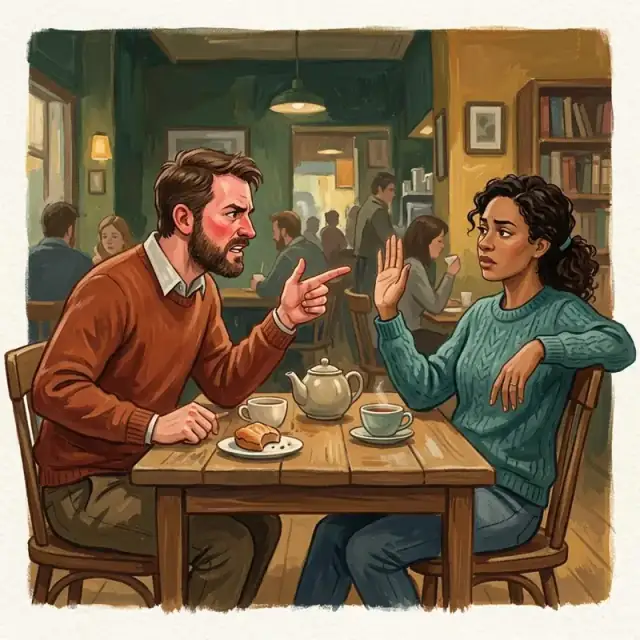
Two adults engage in a heated, pointed argument at a table with intense, angry gestures.
The intense, hostile atmosphere and pointed gestures represent the social power and charged nature of language intended to shock or offend, highlighting how certain vocal acts are treated as transgressive within a community.
Image credit: Wordspun · AI-generated conceptual illustration
Questions about this word
What does "Profanity" mean?
Profanity is noun meaning: Irreverent or blasphemous language; swear words.. Language regarded as blasphemous or obscene; words considered improper in formal or polite contexts. Profanity is culturally specific — what is forbidden in one context is ordinary in another. The force of a swear word is entirely social: it is a word the community has agreed to charge with power.
Where does the word "Profanity" come from?
From Latin 'profanitas' (profaneness); from 'profanus' (unholy, outside the temple); from 'pro-' (outside) + 'fanum' (temple). Speech that has been excluded from where the holy lives.