Pragmatism
noun /ˈpræɡ.mə.tɪ.z(ə)m/ — The philosophy that truth is tested by practical consequences
Definition
A philosophical tradition holding that the meaning or truth of an idea is determined by its practical consequences — that what works is, in some meaningful sense, what is true.
Beyond the definition
The philosophy that doesn't allow ideas to hide from their effects. The pragmatist asks: what difference does it make? What does this belief produce in practice?
Origin & history
From Greek 'pragma' (deed, act, fact) + '-ism'. The philosophy of deeds. Developed by Charles Sanders Peirce, William James, and John Dewey as distinctly American philosophy.
Example sentences
Illustrative sentences for learning, not verified community posts or sourced quotations.
William James' pragmatism: the truth of an idea is in its cash value — what it pays in terms of experience.
Pragmatism is often misunderstood as pure opportunism. It is actually a theory of meaning: what has no practical consequence has no real meaning.
She was a pragmatist in the philosophical sense — less interested in what things were than in what they did.
How to use it
This entry uses a noun. Follow the examples for articles and singular or plural forms; not every noun takes “a” or “an.”
Choose “Pragmatism” when the meaning fits your context: A philosophical tradition holding that the meaning or truth of an idea is determined by its practical consequences — that what works is, in some meaningful sense, what is true.
Synonyms
practicalism, functionalism, consequentialism
Antonyms
idealism, rationalism, absolutism
Related words
Pragmatism vs realism
Pragmatism evaluates the truth of a belief by its practical, functional success. Realism is the tendency to accept situations as they are, rather than relying on wishful thinking.
Compare this word
Word in the Wild
See how this word appears in life, language and stories.
Illustrative sentences and imagined stories for learning — not verified sightings, interviews, or sourced quotations.
Fictional scene
Artisan Adjusting Cog
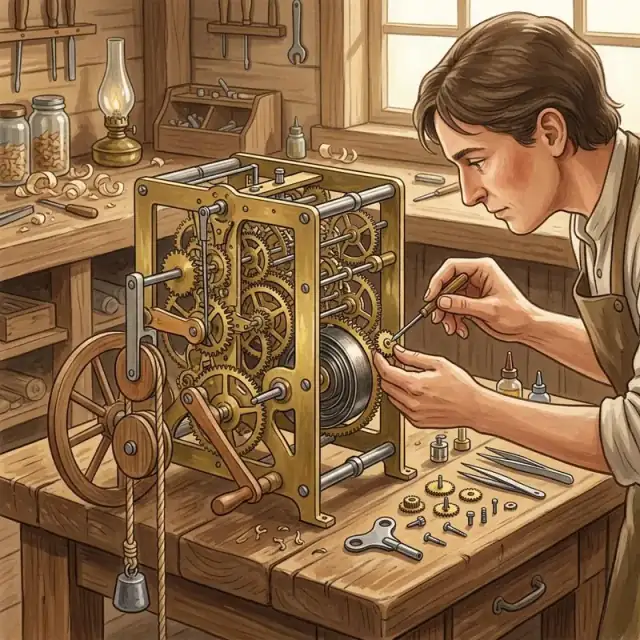
An artisan works at a bench, adjusting an open clock mechanism with fine tools to achieve functional motion.
The focus on achieving the practical consequence of the clock working through manual adjustment illustrates pragmatism: the idea that truth is determined by how things work.
Image credit: Wordspun · AI-generated conceptual illustration
Questions about this word
What does "Pragmatism" mean?
Pragmatism is noun meaning: The philosophy that truth is tested by practical consequences. A philosophical tradition holding that the meaning or truth of an idea is determined by its practical consequences — that what works is, in some meaningful sense, what is true.
Where does the word "Pragmatism" come from?
From Greek 'pragma' (deed, act, fact) + '-ism'. The philosophy of deeds. Developed by Charles Sanders Peirce, William James, and John Dewey as distinctly American philosophy.