Oblivion
noun /əˈblɪv.i.ən/ — The state of being completely forgotten — or forgetting everything.
Definition
The state of being unaware or unconscious of what is happening; total erasure from memory or existence. Something in oblivion has not merely been forgotten — it has ceased to exist in anyone's mind.
Beyond the definition
Oblivion has two faces. One is a mercy — the blessed forgetting of pain, of embarrassment, of things that would otherwise haunt you. The other is a loss — vanishing from someone's memory entirely, becoming as though you never were. Both are a kind of dissolution. Which one you're feeling depends on whether the oblivion is yours or theirs.
Origin & history
From Latin oblivio, from oblivisci (to forget), related to obliquus (crooked, sideways) — the idea of something slipping sideways out of the mind. The word entered English through Old French in the 14th century, used both for the act of forgetting and the state of being forgotten.
Example sentences
Illustrative sentences for learning, not verified community posts or sourced quotations.
She drank until the evening dissolved into oblivion — nothing remained of it by morning.
He feared not death, but oblivion: the thought that no one would remember he had existed.
After the argument, she wanted only oblivion — some sleep deep enough to swallow the day whole.
How to use it
This entry uses a noun. Follow the examples for articles and singular or plural forms; not every noun takes “a” or “an.”
Choose “Oblivion” when the meaning fits your context: The state of being unaware or unconscious of what is happening; total erasure from memory or existence. Something in oblivion has not merely been forgotten — it has ceased to exist in anyone's mind.
Synonyms
forgetfulness, void, erasure, nothingness, amnesia, blankness
Antonyms
memory, remembrance, consciousness, awareness, legacy
Related words
Word in the Wild
See how this word appears in life, language and stories.
Illustrative sentences and imagined stories for learning — not verified sightings, interviews, or sourced quotations.
Fictional scene
Total Erasure from Awareness
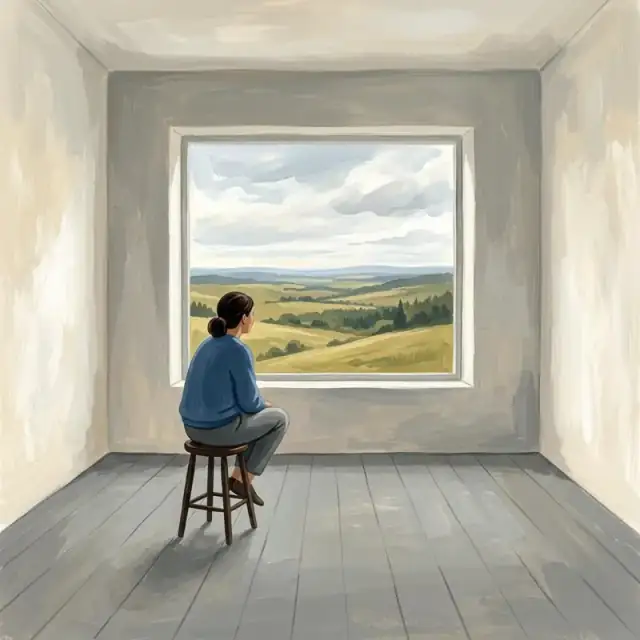
A vast, empty, minimalist room where all furniture has been removed, highlighting a total absence that defines the entire space.
The total lack of objects creates a space that has been stripped of presence. It is a visual representation of erasure, where the contents have ceased to exist in the room’s reality, passing into a state of total oblivion.
Image credit: Wordspun · AI-generated conceptual illustration
Questions about this word
What does "Oblivion" mean?
Oblivion is noun meaning: The state of being completely forgotten — or forgetting everything.. The state of being unaware or unconscious of what is happening; total erasure from memory or existence. Something in oblivion has not merely been forgotten — it has ceased to exist in anyone's mind.
Which words express “wanting to forget everything”?
Oblivion — The state of being completely forgotten — or forgetting everything.
Where does the word "Oblivion" come from?
From Latin oblivio, from oblivisci (to forget), related to obliquus (crooked, sideways) — the idea of something slipping sideways out of the mind. The word entered English through Old French in the 14th century, used both for the act of forgetting and the state of being forgotten.