Duende
noun /dwɛnˈdeɪ/ — The dark, mysterious force that makes art feel true — not beautiful, but alive.
Definition
A quality of deep emotional authenticity and mysterious power in art or performance; the spirit of earth and death that gives flamenco, poetry, or music its power to move us.
Beyond the definition
Duende is what separates technique from truth in art. Federico García Lorca described it as a 'struggle, not a thought' — a dark force that rises through the performer and creates something that cannot be planned or faked. When you feel it in music, you know.
Origin & history
From Spanish duende — a spirit or goblin (from duen de casa: master of the house). Popularised as an aesthetic term by Federico García Lorca in his 1933 lecture 'Play and Theory of the Duende'. The goblin became a metaphor for the spirit of authentic, soulful art.
Example sentences
Illustrative sentences for learning, not verified community posts or sourced quotations.
The singer had technique — but the one who had duende made people weep.
Lorca wrote that duende is not in the throat — it comes up from the soles of the feet.
Some performances have perfection without duende; some have duende without perfection. The second kind stays with you longer.
How to use it
This entry uses a noun. Follow the examples for articles and singular or plural forms; not every noun takes “a” or “an.”
Choose “Duende” when the meaning fits your context: A quality of deep emotional authenticity and mysterious power in art or performance; the spirit of earth and death that gives flamenco, poetry, or music its power to move us.
Synonyms
soul, spirit, authentic power, dark charisma, artistic truth
Antonyms
technique, artifice, performance, polish
Related words
Word in the Wild
See how this word appears in life, language and stories.
Illustrative sentences and imagined stories for learning — not verified sightings, interviews, or sourced quotations.
Fictional scene
Orator Commanding the Stage
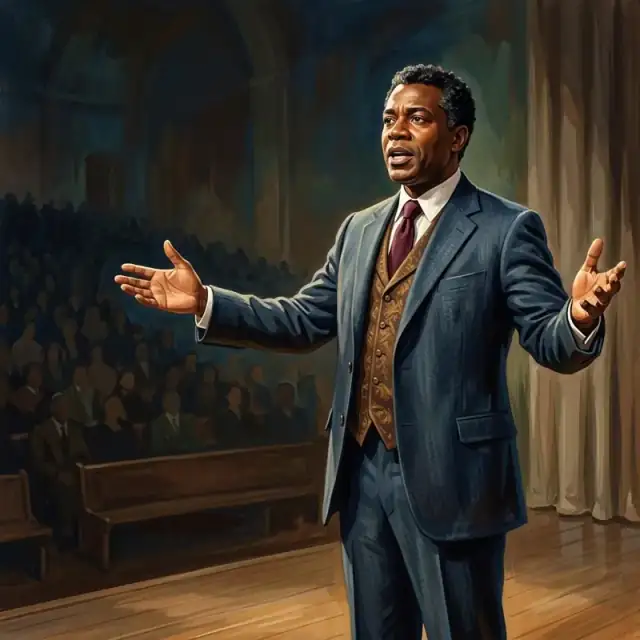
An adult orator stands before a vast, dark space with arms outstretched in an assertive, commanding gesture, their expression intense and focused.
Duende is the mysterious power and authenticity in performance. The orator's intense, focused expression and commanding gesture against the vast background illustrate this, as they convey a deep, earthy authority that moves the audience, showing a level of emotional authenticity that feels like it comes from within.
Image credit: Wordspun · AI-generated conceptual illustration
Questions about this word
What does "Duende" mean?
Duende is noun meaning: The dark, mysterious force that makes art feel true — not beautiful, but alive.. A quality of deep emotional authenticity and mysterious power in art or performance; the spirit of earth and death that gives flamenco, poetry, or music its power to move us.
Where does the word "Duende" come from?
From Spanish duende — a spirit or goblin (from duen de casa: master of the house). Popularised as an aesthetic term by Federico García Lorca in his 1933 lecture 'Play and Theory of the Duende'. The goblin became a metaphor for the spirit of authentic, soulful art.